Winter in Franklin isn’t just about cozy sweaters and hot cocoa—it’s about protecting your home. And your garage door? It’s more vulnerable than you might think. Imagine stepping out on a freezing morning, hitting the opener, and hearing nothing but a sad, mechanical groan. Don’t panic.
Most winter garage door issues are totally preventable. In the next few minutes, I’ll show you exactly what to check, how to protect your door, and when it might be time to call in the pros.
Winter-Proofing Your Garage Door: A Homeowner’s Survival Guide
The garage door can take a beating in winter. If you’re not ready, you could end up dealing with some puzzling mechanical problems. We’ve witnessed some of the cold-weather garage door incidents here in Franklin, TN—from misaligned tracks that refuse to cooperate to completely frozen parts that simply won’t move.
How Winter Attacks Your Garage Door
Frigid temps are a real threat to your garage door’s function. Metal components contract in the cold, creating tension, and, you know, they’re just not perfectly aligned in subzero weather. So, it’s like trying to move your car when it’s all iced up. Everything’s just moving more slowly and, well, stiffly.
Let’s discuss the implications for your garage door. The metal components—the tracks, springs, and rollers—become less flexible. This might not sound alarming, but it can lead to an increased risk for friction and potential damage to your door. At this time of year, it’s more critical than ever that you keep your garage door properly lubricated. And when we say proper lubrication, we don’t mean just any old spray can you find lying around. You should be using products specifically designed for the job at hand.
Your DIY Winterization Checklist
Getting your garage door ready for winter is a straightforward enough task. It doesn’t demand top-shelf technical know-how—just some basic attention to the parts that need looking after and an understanding of how to go about doing that. Start with the moving parts. Clean them well, and then apply a silicone-based garage door lubricant that will keep everything working smoothly even when the mercury drops.
Your next line of defense is weatherstripping. Inspect it and look for any signs of cracking or wear. If you find any, replace that section. A good seal keeps the cold air out and the energy in. Pro tip: A simple dollar bill test can help. If you can slide a bill between the door and frame without any resistance, you need new weatherstripping.
Homeowners understand the importance of insulation better than they did in the past, but knowledge has not yet coalesced around the idea that this is a good, impactful first step toward saving energy and money. Consider adding insulation to your garage door to help maintain a more consistent temperature inside the garage. This allows your garage door opener—and everything else in the garage—to operate under less stress and perform better.
Warning Signs You Can’t Ignore
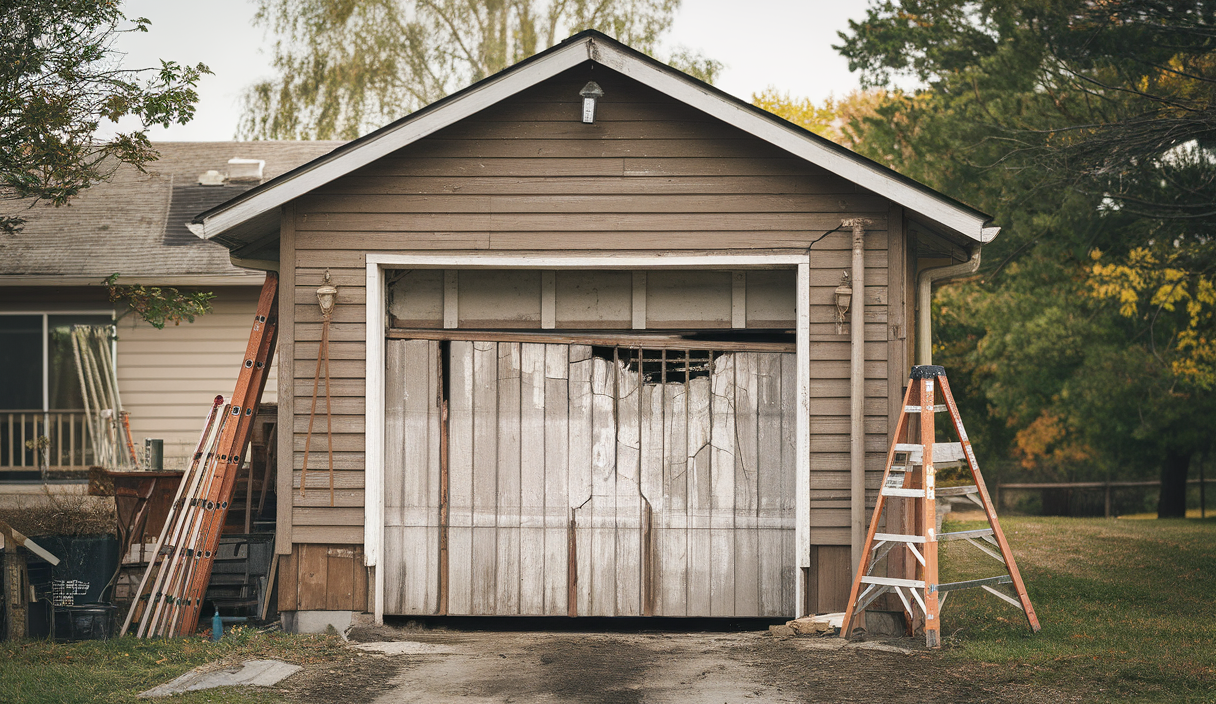
A lot can be revealed about the health of your garage door on a winter morning. If it is making any unusual grinding or scraping sounds, you should know those aren’t normal and could signal alignment or lubrication issues. If it is working noticeably slower or straining in opening and closing, give it some attention.
The appearance of wear can be seen in the following ways:
• Metal parts are rusting
• The weather stripping is cracked
• Something is “off” in how the component moves along its tracks
When Professional Help Makes Sense
Tension springs can be hazardous. If you’re unsure how to deal with them, it’s best to have a pro handle the job. There are some problems that just need an expert to figure out. And to figure them out safely, they need to be diagnosed and repaired by a professional.
Nash Garage Door conducts an inspection to ensure that your garage door functions perfectly, even in the harsh cold of winter. Our inspections look for:
• Track alignment
• Spring tension
• Roller condition
• Seal integrity
Always cheaper than emergency repairs, preventative maintenance can and should save you from costly replacements down the line. A quick professional check can and should prevent nasty surprises.
Final Thoughts
Ensuring the security of your garage door doesn’t require advanced technical expertise. It demands only routine attention and the vigilant observation of any deviations from the door’s typical behavior. If you apply these strategies, not only will the door be secure against intrusion, but it also will have a much better chance of surviving the winter intact and operational.
Remain cozy, and maintain the operation of that portal!
A confident, friendly wrap-up that reassures homeowners they’ve got this—with a little knowledge and preparation.